How IT Monitoring Prevents Cyber Attacks
In today’s digital age, cyber threats are more prevalent and sophisticated than ever before. Businesses, big and small, need robust defenses to protect their valuable data. One of the most effective strategies in safeguarding your digital assets is IT monitoring. In this article, we’ll delve into how IT monitoring can prevent cyber attacks, its importance, and how it applies to specialized fields like dental IT support.
Understanding IT Monitoring
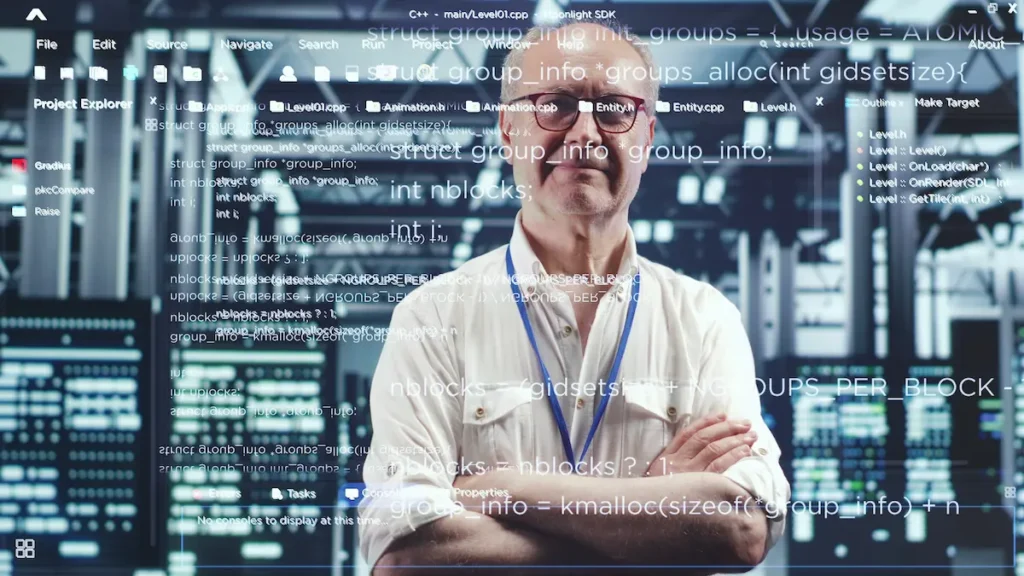
IT monitoring involves keeping a close watch over an organization’s IT infrastructure, including networks, servers, and applications. By continuously observing these components, businesses can detect anomalies, threats, or performance issues early on. It’s like having a security guard who never sleeps, always on the lookout for potential intruders.
The Role of Application Performance Monitoring
Application performance monitoring (APM) is a subset of IT monitoring that focuses on ensuring software applications run smoothly. APM tools track key performance indicators (KPIs) such as response times, error rates, and user interactions. By doing so, they can identify bottlenecks or vulnerabilities that may be exploited by cybercriminals.
How IT Monitoring Prevents Cyber Attacks
Early Threat Detection
One of the primary benefits of IT monitoring is the early detection of cyber threats. By continuously analyzing network traffic and system behavior, IT monitoring tools can spot unusual patterns that may indicate a breach attempt. Early detection allows IT teams to respond quickly, mitigating potential damage before it escalates.
Proactive Security Measures
IT monitoring doesn’t just react to threats; it also helps prevent them. By analyzing historical data, IT professionals can identify trends or weak points in their systems. This proactive approach enables businesses to shore up their defenses before attackers can exploit vulnerabilities.
Real-Time Alerts and Notifications
Timely alerts are crucial in the fight against cyber attacks. IT monitoring systems provide real-time notifications when they detect suspicious activities. This immediate feedback allows IT teams to take swift action, whether it’s blocking a malicious IP address or isolating a compromised server.
Enhancing Compliance and Reporting
For many industries, maintaining compliance with cybersecurity regulations is mandatory. IT monitoring helps organizations stay compliant by providing detailed logs and reports of all IT activities. This not only aids in regulatory compliance but also provides valuable insights during audits or investigations.
IT Monitoring for Specialized Fields
Dental IT Support
In the dental industry, patient data privacy is paramount. Dental practices must comply with strict regulations like the Health Insurance Portability and Accountability Act (HIPAA). Dental IT support services leverage IT monitoring to ensure that sensitive patient information remains secure and that dental practices adhere to compliance standards.
IT Support for Dentists
Dentists rely on technology for patient records, billing, and scheduling. IT monitoring helps dental practices maintain system uptime and performance, ensuring that patient care is not disrupted by technical issues. Additionally, it safeguards against data breaches that could compromise patient confidentiality.
Is It OK to Run IEMs with Mic Monitoring Input?
While the primary focus of IT monitoring is on cybersecurity, it can also play a role in optimizing audio and video equipment setups, such as in-ear monitors (IEMs) with mic monitoring input. Ensuring that these devices function correctly without causing interference or performance issues is essential for businesses that rely on clear communication, such as conference calls or virtual meetings.
Best Practices for Implementing IT Monitoring
Choose the Right Tools
Selecting the right IT monitoring tools is crucial. Businesses should choose solutions that align with their specific needs, whether it’s network monitoring, application performance monitoring, or both. Consider factors like scalability, ease of use, and integration with existing systems.
Regularly Update and Patch Systems
Outdated software and systems are prime targets for cyber attacks. IT monitoring should be complemented by a robust patch management strategy to ensure that all systems are up to date with the latest security patches.
Train Staff on Cybersecurity Best Practices
Even with the best IT monitoring tools, human error can still lead to breaches. Regularly training staff on cybersecurity best practices, such as recognizing phishing emails or using strong passwords, is essential in maintaining a secure IT environment.

Conclusion
In conclusion, IT monitoring is a critical component in the fight against cyber attacks. By providing early threat detection, proactive security measures, and real-time alerts, it helps businesses protect their valuable data and maintain operational continuity. Whether you’re running a dental practice or a large corporation, investing in robust IT monitoring solutions is a smart move towards safeguarding your digital assets.